Yūgen
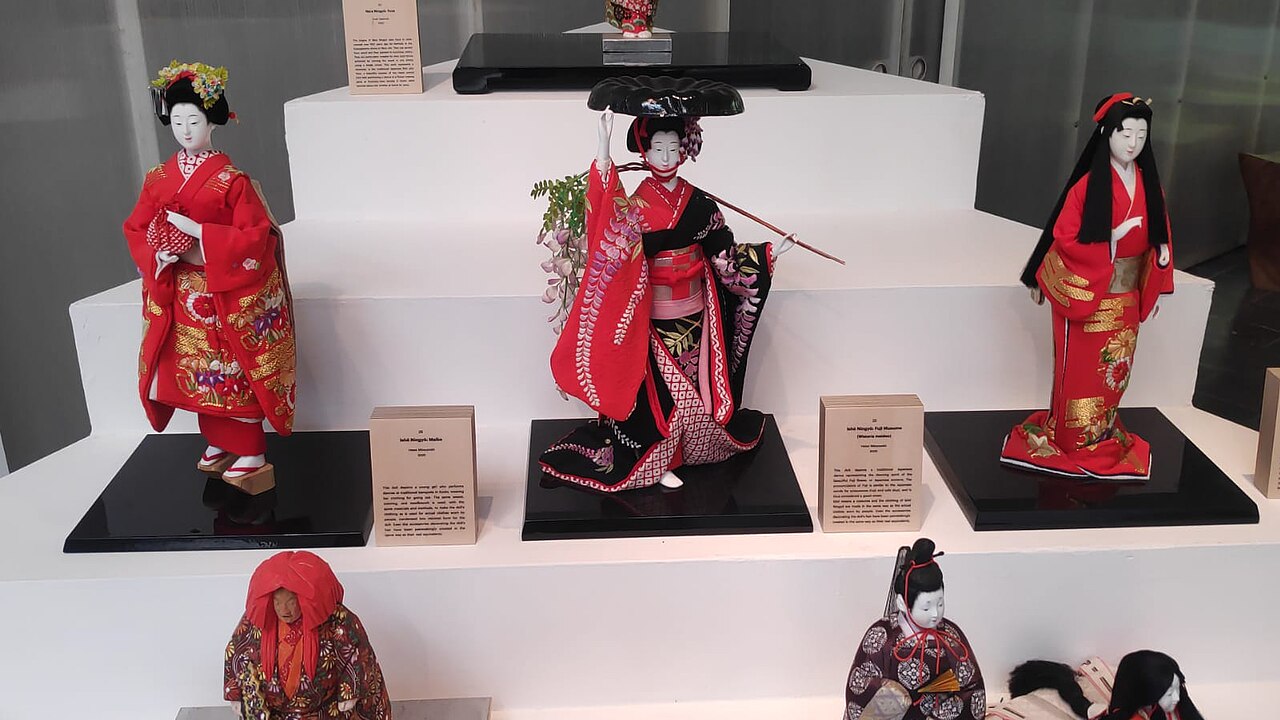
A deep, subtle aesthetic of quiet beauty and profound, almost spiritual melancholy—the sense of something touching and meaningful that lies just beyond full comprehension or expression. It captures elegance tinged with an awareness of transience and the limits of human understanding.
Why this word exists
Yūgen emerged from Japan's synthesis of Zen Buddhism and indigenous aesthetic values during the medieval period, a time when artists sought to express spiritual insight through restraint rather than abundance. In Noh theater, yūgen became the highest artistic ideal—a performance quality marked by stillness, suggestion, and emotional subtlety rather than overt display. This reflected Zen's embrace of emptiness and the ineffable: what is *not* shown often carries more weight than what is.
The concept also resonates with the Japanese appreciation for nature's transience and the melancholy beauty of impermanence (mono no aware). In gardens, poetry, and visual arts, yūgen manifests as an elegant simplicity—a single brushstroke, a solitary figure in mist, or the sound of water—that evokes something immense and moving precisely through its incompleteness. It values suggestion over statement, shadow over light, the unspoken over the explicit.
This aesthetic became foundational to Japanese cultural identity, shaping everything from tea ceremony to landscape design. It reflects a worldview where true beauty and meaning exist in the gaps between things—in what is left out, hinted at, or felt only at the edge of consciousness.
Origins
Yūgen is a compound of two kanji: 幽 (yū), meaning "dim," "faint," or "hidden," and 玄 (gen), meaning "profound," "mysterious," or "black." The term emerged in Japanese aesthetics during the medieval period, particularly associated with Zen Buddhist philosophy and Noh theater. While the individual characters have Chinese origins, yūgen as a unified aesthetic concept developed distinctly in Japan. Medieval Japanese poets and dramatists, especially Zeami Motokiyo (1363–1443), the master of Noh, codified and theorized yūgen as a central principle of artistic beauty. The word combines the notion of something hidden from direct view with the sense of philosophical depth—together evoking a presence that is felt rather than observed.
The actor's subtle expression, barely visible in the dim light, conveyed a yūgen that moved the entire audience to tears. — その俳優の幽玄な表情は、薄暗い照明の中でかすかに見え、全ての観客を涙させた。
Zeami, the legendary Noh master, attempted to systematize yūgen in his writings on dramatic theory, yet he himself insisted that yūgen could never be fully explained—only transmitted from master to student through years of practice and intuition. The word has influenced contemporary Japanese aesthetics so deeply that it remains the standard against which theater, poetry, and even film are judged.