Wabi-sabi
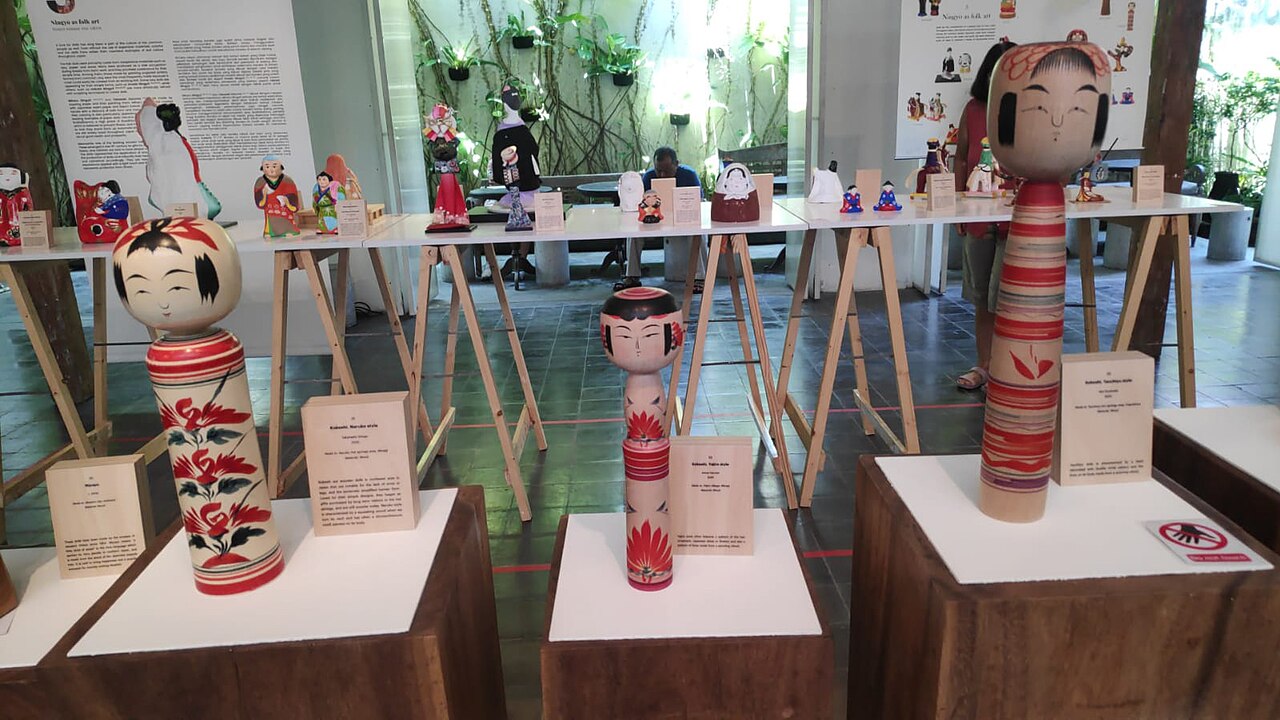
An aesthetic and philosophical worldview that finds profound beauty in impermanence, decay, incompleteness, and the passage of time. Rather than seeking perfection or permanence, wabi-sabi celebrates the quiet dignity of things that are worn, weathered, asymmetrical, and humble—finding meaning precisely in their vulnerability and finitude.
Why this word exists
Wabi-sabi emerged from Japan's encounter with impermanence—a landscape shaped by earthquakes, typhoons, and the Buddhist principle of *anicca* (the transience of all things). Rather than viewing decay as loss, Japanese aesthetics transformed it into opportunity for meaning-making. This philosophical stance profoundly influenced the tea ceremony (*chanoyu*), where deliberately simple, hand-thrown ceramic bowls with irregular glazes and asymmetrical forms became treasured objects precisely because they bore the marks of their making and use.
The concept also reflects Japan's material economy and geographic constraints: limited resources meant valuing restraint over excess, finding richness in emptiness. A garden with mostly bare stone and a single moss-covered rock, or a room with one hanging scroll and a flower arrangement, exemplifies this principle—suggestion matters more than saturation. Wabi-sabi also resonates with Zen Buddhist rejection of worldly status; the aesthetic celebrates humble, unpretentious beauty over the ornate and gilded.
In daily life, wabi-sabi shapes how Japanese people relate to objects, gardens, architecture, and even social interactions. It offers psychological solace in a mortal world—not through denial of aging and loss, but through their acceptance and celebration as sources of authentic beauty.
Origins
Wabi-sabi is a compound of two originally separate concepts that merged over centuries. *Wabi* (侘) emerged in medieval Japanese poetry circles around the 14th–15th centuries, initially meaning 'lonely' or 'melancholic,' often describing the poignant solitude of rustic, unpretentious spaces. *Sabi* (寂) originally meant 'chill' or 'desolation' but evolved in aesthetic contexts to denote the beauty of age and patina—the visual poetry of something worn by time. These terms were used independently in classical poetry and tea ceremony before becoming unified as a single philosophical concept during the 16th–17th centuries, particularly through the writings of Zen-influenced aesthetes. The compound wabi-sabi crystallized as tea masters like Takeno Jōō and Sen no Rikyū formalized their artistic principles, embedding it deep into Japanese visual and spiritual culture.
The master potter's cup, with its uneven rim and accidental ash-glaze patterns, embodied the essence of wabi-sabi. — その陶芸家の碗は、歪んだ縁と偶然の灰釉の模様で、侘寂の本質を体現していた。
The 16th-century tea master Sen no Rikyū so fully embodied wabi-sabi that when a samurai lord demanded to see his famous morning-glory flowers, Rikyū famously cut down every bloom in his garden the night before—leaving only a single leaf. The shocked lord then understood: true beauty lies in what you *don't* show. Rikyū's legacy made wabi-sabi synonymous with the Japanese tea ceremony itself, influencing every gesture, every object, every moment of silence within it.