Tretår
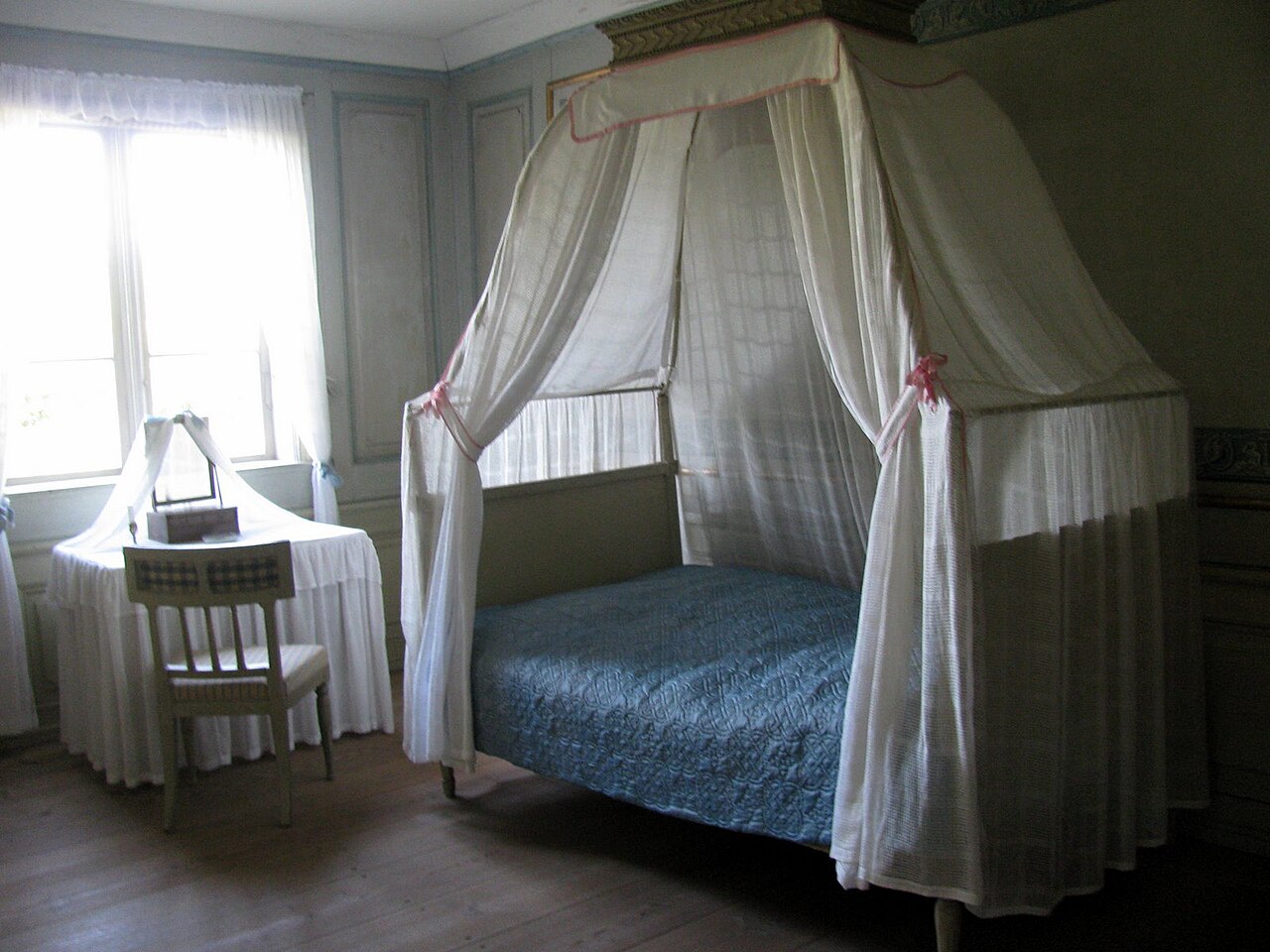
Tretår describes the temporary, three-ply material used in traditional Swedish weaving to create a looser base weave before the final cloth is finished. More broadly, it refers to something makeshift, provisional, or of inferior quality—a temporary solution that will eventually be replaced.
Why this word exists
Sweden's long tradition of textile craftsmanship, from Viking-era wool production to the elaborate weaving practices of rural communities, created a culture where weaving terminology permeated everyday speech. In a country where winters are long, materials precious, and craft knowledge passed through generations, the language of making—especially textiles—carried moral weight. Tretår embodies the Swedish pragmatism of accepting the temporary: not everything needs to be perfect immediately, nor is it shameful to start rough. This reflected both economic reality (cloth was expensive; preliminary work was necessary) and a philosophical stance that saw value in process over polish.
The word also hints at Swedish attitudes toward quality and authenticity. To call something 'tretår' is not merely to say it's inferior—it's to acknowledge its purpose as provisional. This distinction matters in a culture that values honesty and function. You don't pretend a tretår solution is permanent; you name it for what it is. The word thus carries a kind of dignity in its humility, reflecting broader Scandinavian values of straightforwardness and acceptance of life's practical stages.
Origins
Tretår is a compound of Old Norse origins: 'tre' (three) and 'tår' (thread or strand), literally 'three threads.' The word emerged from practical weaving vocabulary in medieval Scandinavia, where craftspeople working with looms needed precise terminology for different stages of textile production. The 'tår' component survives in modern Swedish and related Nordic languages as a term for yarn or thread. Over centuries, the word shifted from its purely technical textile meaning to acquire a more metaphorical sense, describing anything temporary, shoddy, or intended as a placeholder—much as a rough weave serves only until a finer version replaces it.
Det här är bara en tretår-lösning tills vi kan göra något ordentligt. — This is just a tretår solution until we can do something properly.
Tretår survives almost exclusively in Swedish and neighboring Scandinavian languages, having largely vanished from everyday English as industrial manufacturing replaced hand weaving. Its persistence in Swedish reflects how thoroughly textile work shaped Nordic culture—the word remains a living reminder of centuries when every household understood the stages of making cloth by hand.