Natsukashii
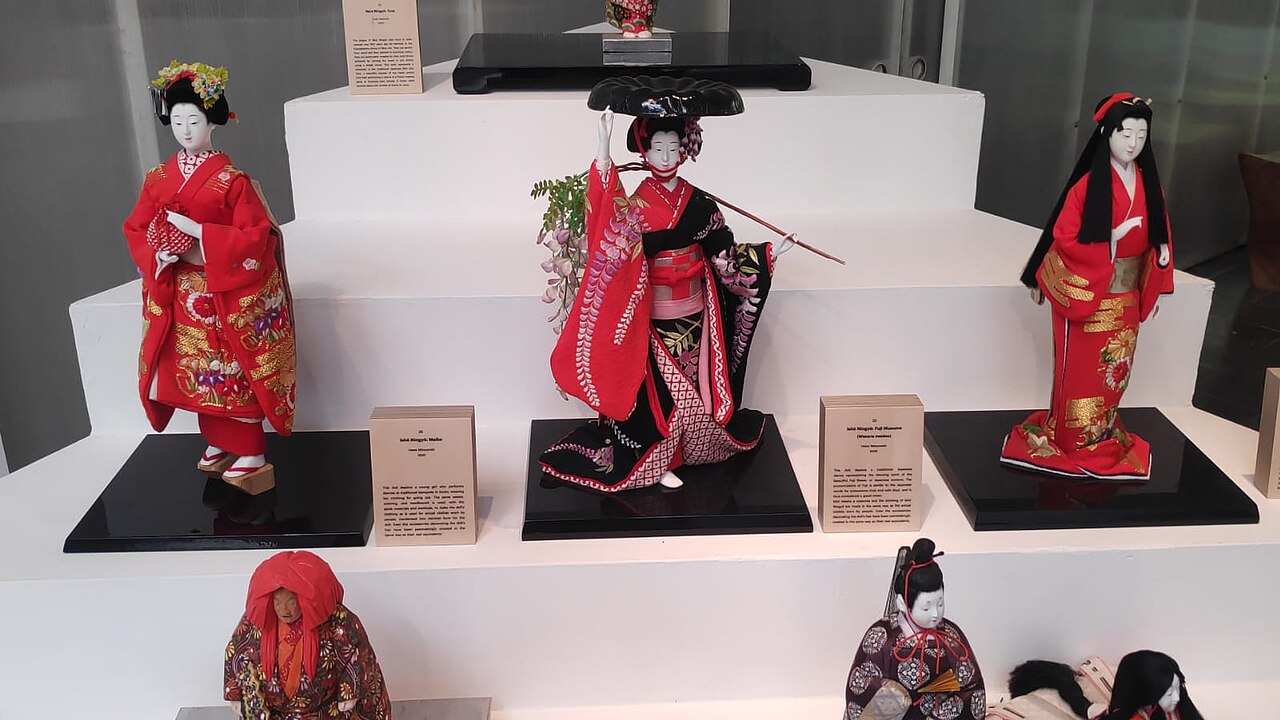
A bittersweet ache for the past—not mere nostalgia, but a tender, almost physical yearning for something or someone lost to time. It carries affection without regret, a recognition that what was good has passed and cannot return.
Why this word exists
Japanese aesthetic philosophy—particularly the concepts of mono no aware (the pathos of things) and aware itself—deeply values the beauty found in transience and impermanence. Natsukashii embodies this worldview: rather than resisting loss, the culture often frames it as poignant and precious. In a society shaped by seasonal change, cherry blossoms that bloom and fade within weeks, and where family and community bonds are historically marked by careful ritual and distance, natsukashii became the word for that specific emotional note: love and loss intertwined.
The word permeates Japanese literature, film, and everyday conversation. A person might feel natsukashii watching a childhood neighborhood they've moved away from, or hearing a song their grandmother used to sing. Unlike English 'nostalgic,' which can feel wistful or even regretful, natsukashii carries warmth—a recognition that the past shaped who you are and remains valuable precisely because it is gone. It validates the grief of time's passage while celebrating what was beautiful about it.
Origins
The word combines two kanji elements: 懐 (futokoro), meaning 'bosom' or 'breast,' suggesting something held close to the heart, and 懐かしい itself likely derives from an older verb form expressing the idea of yearning or being drawn toward something distant. The morphology suggests an emotional pull from deep within—literally, from the chest. While precise historical records of its first attestation are not firmly documented in accessible sources, the word structure points to a poetic construction linking physical intimacy (the bosom) with temporal longing. This combination became standardized in Japanese during the medieval and early modern periods as the language refined its emotional vocabulary.
Kodomotoki no kōen wo mita toki, natsukashii kimochi ga afureta. — When I saw my childhood park, I was flooded with that tender ache of remembering.
Natsukashii frequently appears in Japanese music, anime, and manga as a shorthand for emotional depth—often paired with imagery of rain, old streets, or autumn leaves. The word has also become central to Japanese marketing and design: entire aesthetic movements, from lo-fi hip-hop to vintage 'retro-future' product design, lean on natsukashii as a emotional anchor, because the longing it describes is so universal to human memory that it sells—not through manipulation, but through honest recognition of how we feel about time.