Mono no aware
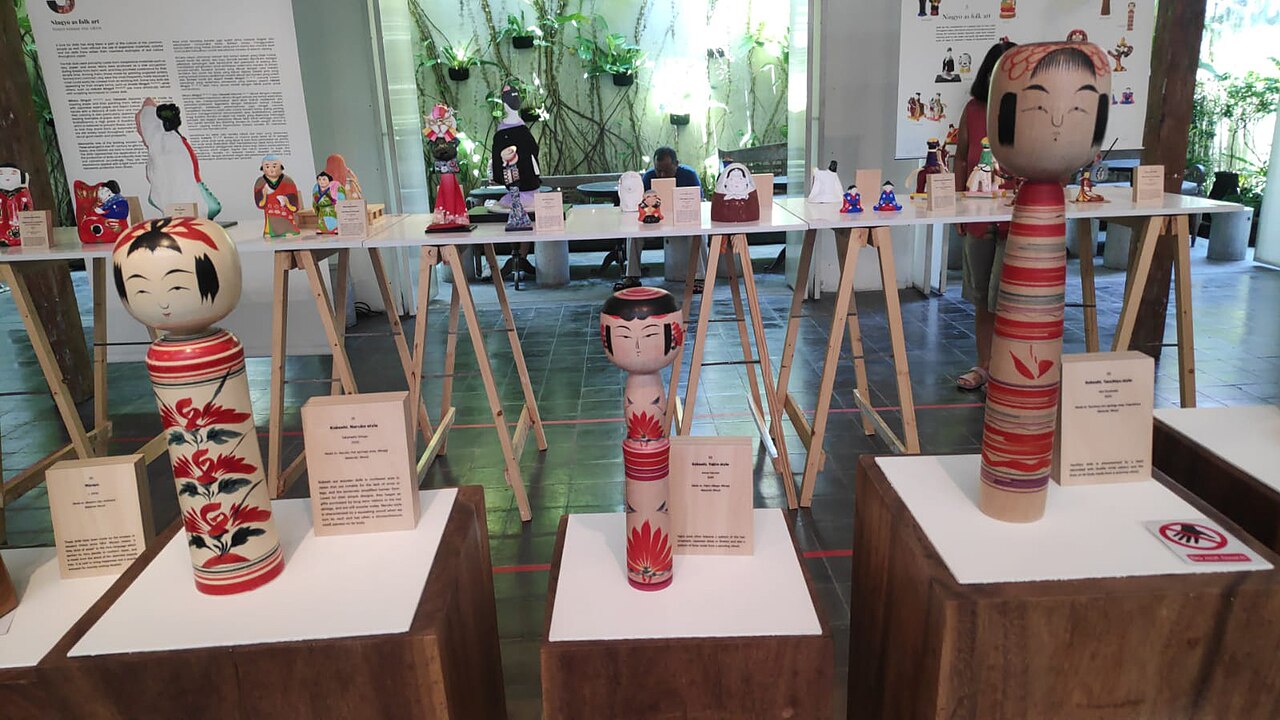
A bittersweet aesthetic sense of the transience and impermanence of all things, often tinged with gentle melancholy at their fleeting beauty. It describes the poignant awareness that everything—seasons, relationships, moments, life itself—will pass away, and finding a kind of tender sadness or wistfulness in that inevitability.
Why this word exists
Mono no aware reflects a worldview deeply shaped by Buddhism's core teaching of *anicca* (impermanence), merged with Japan's attunement to seasonal cycles and nature's rhythms. In a culture where autumn's arrival or a tree's blossoming carries philosophical weight, the capacity to feel sadness at beauty itself became not a pathology but a sign of depth and sensitivity. This aesthetic emerged powerfully in Heian court literature and Noh theater, where the most poignant moments often hinge on loss, absence, or the inexorable passage of time. Rather than seeing this melancholy as something to overcome, the Japanese tradition—influenced by Zen and courtly refinement—elevated it to an artistic ideal. To experience *mono no aware* is to achieve a kind of enlightened acceptance: sorrow and beauty become inseparable, and in recognizing the fragility of all things, one finds not despair but a peculiar grace. This stands in contrast to many Western traditions, which often treat sadness and beauty as opposing forces.
Origins
The phrase combines *mono* (物, 'thing' or 'object') and *aware* (哀れ, an archaic term meaning 'pathos,' 'pity,' or 'sorrow'). *Aware* itself appears in classical Japanese literature dating back at least to the Heian period (794–1185), where it originally denoted emotional sensitivity or gentleness. The compound *mono no aware* solidified as an aesthetic and philosophical concept during the Edo period (1603–1868), though the ideas it captures run deeper into Japan's literary and artistic traditions. The term gained wider currency through scholarly and critical writing on Japanese aesthetics, where it became a key framework for understanding the emotional register of classical poetry, theater, and visual art.
Watching the autumn leaves fall, she felt a deep mono no aware wash over her. — 秋の落ち葉を見ながら、彼女は深い物の哀れを感じた。
The 18th-century scholar Motoori Norinaga placed *mono no aware* at the heart of Japanese literary aesthetics, arguing it was the supreme emotional truth that literature should evoke. Cherry blossoms—Japan's most iconic symbol of *mono no aware*—bloom for only a week or two, making their annual ephemerality a living embodiment of the concept's core meaning.