Meraki
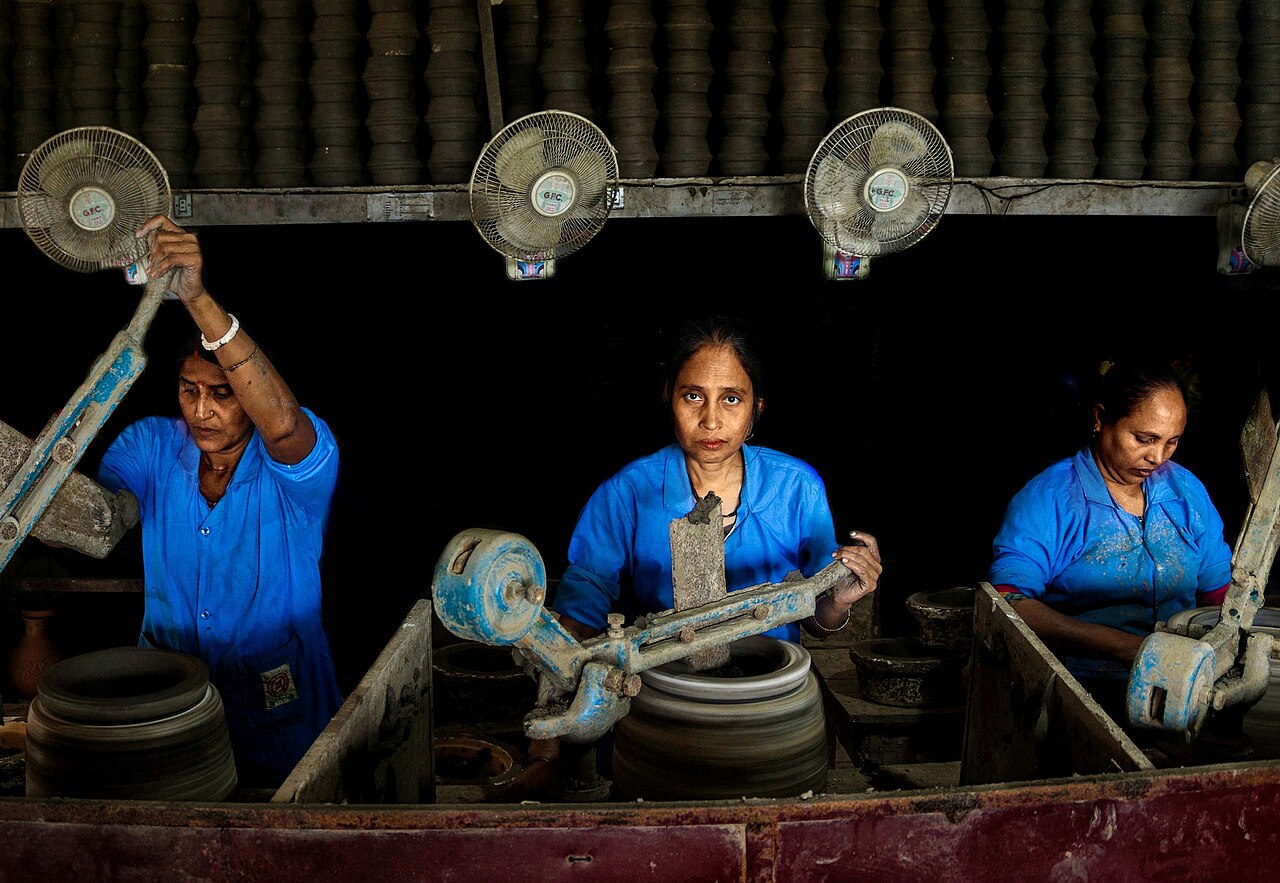
Meraki describes the pouring of oneself—one's passion, creativity, and soul—into something, whether an artistic creation, a meal, a business, or any labor undertaken with genuine care and devotion. It is the invisible essence of love and personal investment that transforms ordinary work into something infused with meaning.
Why this word exists
Greece's long engagement with the Mediterranean and Ottoman world created a culture deeply attuned to the relationship between creator and creation. In Greek values, work—whether cooking, painting, building, or running a taverna—is never merely transactional. Meraki captures something essential to Greek life: the belief that how you do something matters as much as what you produce. You see it in the taverna owner who adjusts a recipe because it's *his* taverna, in the artisan who won't rush a commission, in family meals prepared with deliberate care across generations.
This reflects a worldview where the boundary between labor and love is intentionally blurred. Greeks inherited sophisticated aesthetic traditions (from ancient philosophy to Byzantine art) alongside a Mediterranean ethos that values presence and quality over speed. Meraki also speaks to a certain independence of spirit—doing something not because you're paid well or because it's efficient, but because you cannot help but do it properly, fully, with yourself entirely in it.
In modern Greece, meraki remains a touchstone word, invoked when explaining why a craftsperson refuses to cut corners, why a cook won't use shortcuts, or why a business owner treats their shop like a home. It's both a justification and a quiet moral claim: *I did this with meraki*—meaning, I did it right because it mattered to me.
Origins
Meraki likely derives from the Ottoman Turkish *merak* (passion, obsession, whim), which itself has Farsi roots suggesting desire or fascination. During centuries of Ottoman rule in Greece, Turkish vocabulary filtered into Greek daily speech, especially in commerce, household life, and artistic practice. The word entered Greek as μεράκι and took on distinctly Greek cultural resonance—less about obsessive desire and more about willing dedication and soulful investment. The -aki diminutive suffix gives it an affectionate, intimate quality. While some sources suggest pre-Ottoman roots, the documented historical presence points most clearly to this Levantine trade route transmission, reflecting Greece's multilingual history and the way conquest and coexistence reshape language.
She prepared the dish with such meraki that every guest could taste her love in it. — Το έψησε με τόσο μεράκι που κάθε καλεσμένος μπορούσε να νιώσει την αγάπη της.
Meraki gained sudden international visibility after the 2009 financial crisis when Greeks, reflecting on their cultural identity during hardship, began emphasizing the word in national discourse. It appeared on social media, in tourism campaigns, and in think pieces about what Greece offered the world that money alone couldn't buy—sincerity, craft, and soul. The word became almost a quiet resistance to the notion that value is purely economic.