Mamihlapinatapai
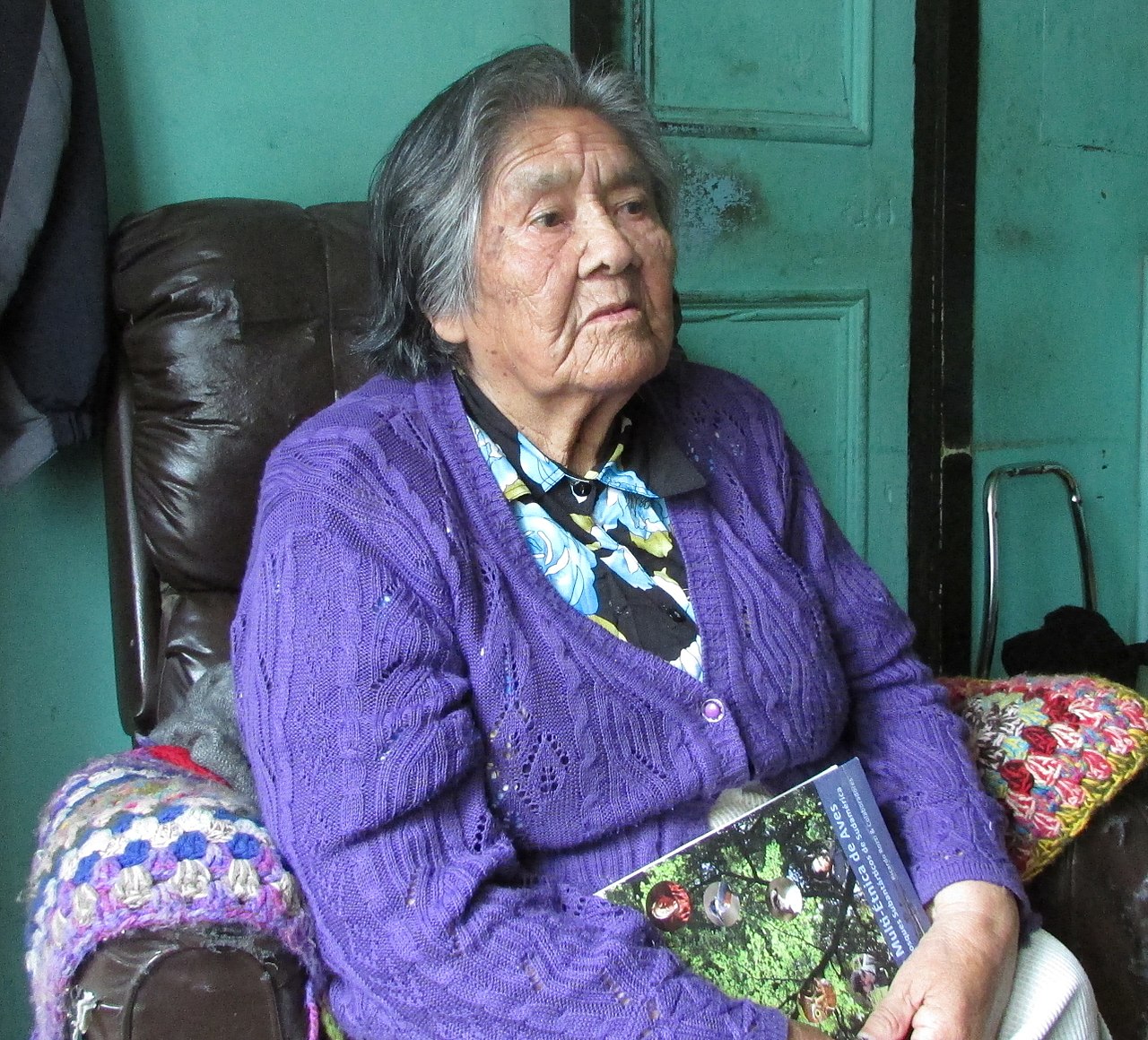
A simultaneous glance between two people in which both are silently wishing the other would do something that neither is quite willing to do. It captures that specific social moment of mutual hesitation, hope, and unspoken expectation—a wordless negotiation of awkward desire.
Why this word exists
The Yaghan people lived in small, tight-knit family groups navigating the treacherous waters and harsh climate of Tierra del Fuego. In such confined, interdependent communities, the ability to communicate complex social and emotional nuances without explicit speech was essential—silence itself became a language. The sea, the boats, and the shared labor of survival required constant wordless coordination and intuitive understanding between group members. Mamihlapinatapai reflects the Yaghan's sophisticated attention to the micro-dramas of social life: the moment when two people want something from each other but neither wishes to be the vulnerable one who asks first. It speaks to a culture attuned to reading faces, timing, and the delicate dance of social obligation.
This word also embodies a particular form of humor and recognition—the Yaghan valued the ability to name and acknowledge the absurdities of human interaction. In a small group where everyone depends on everyone else, the comedy and pathos of mutual hesitation is woven into daily life. The existence of this single, precise word suggests that the Yaghan recognized such moments not as failures of communication, but as a distinct, recurring, almost universal human experience worthy of acknowledgment and, perhaps, gentle laughter.
Origins
Mamihlapinatapai is built from Yaghan morphology, a language of the Tierra del Fuego archipelago with a notably agglutinative structure. The word appears to combine elements relating to sight and mutual action, though precise morpheme segmentation varies among linguists. Yaghan, spoken by the indigenous Yaghan people of the southernmost regions of Chile and Argentina, developed an extraordinary vocabulary for describing subtle emotional and social states—a linguistic adaptation to the intimate, small-group living conditions of their maritime culture. The word was documented in early 20th-century ethnographic records and popularized in English-language discussions of untranslatable words, though its exact internal structure and historical depth in Yaghan oral tradition remain subjects of ongoing linguistic study.
When the check arrived at the table, there passed between them a perfect mamihlapinatapai—neither wanting to reach for their wallet. — Cuando la cuenta llegó a la mesa, pasó entre ellos un perfecto mamihlapinatapai—ninguno queriendo extender la mano hacia su billetera.
Mamihlapinatapai was listed in the Guinness Book of World Records as the longest word in any language, though this claim conflates length with complexity and is now disputed by linguists. The word gained international fame through email forwards and trivia lists in the early 2000s, making it perhaps the most famous 'untranslatable word' in English-speaking popular culture—ironic, given that it describes the very awkwardness of unspoken desire.