Mångata
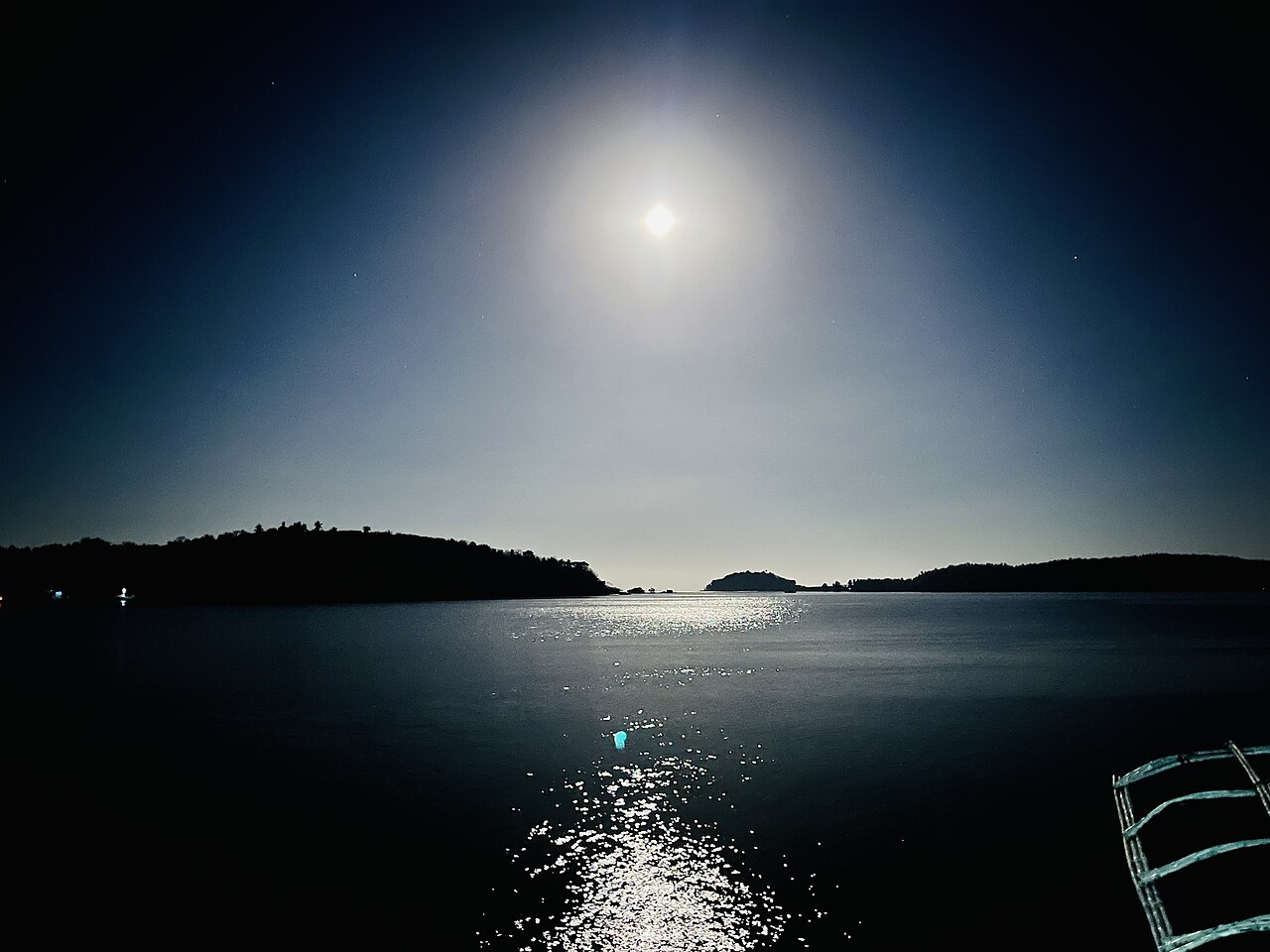
The shimmering, road-like reflection of moonlight on the surface of a body of water—the luminous trail that appears to lead directly toward the observer. It captures both the visual phenomenon and the sense of longing or wonder it evokes.
Why this word exists
Sweden's long history of seafaring, fishing, and navigating by moonlight created deep cultural attunement to water's reflective properties and the night sky. In a country where winter nights stretch for months in the north, and where lakes and waterways were primary highways, the moon's path on dark water wasn't mere decoration—it was a guide, a companion, a visual anchor in darkness.
Beyond practicality, Scandinavian cultures developed a poetic relationship with transient natural moments. The concept of mångata speaks to a kind of bittersweet wonder: the path seems to invite you to walk toward the moon itself, yet you know it's an illusion that dissolves the moment you move. This mixture of beauty, longing, and gentle melancholy—sometimes called *saudade* in Portuguese, but present in Swedish sensibility—threads through the word.
Swedish is also part of a broader Nordic linguistic family known for compound nouns that capture hyperspecific emotional and atmospheric states (like *waldeinsamkeit*, though German). Mångata exemplifies how Scandinavian languages treat natural phenomena not as mere objects but as experiences—states of being that deserve their own names.
Origins
Mångata is a compound of two Old Norse elements: *máni* (moon) and *gata* (path or road). The word itself dates to Swedish folk and maritime traditions, though the exact moment of its codification is unclear. It belongs to a family of Scandinavian nature words that blend poetic observation with practical landscape vocabulary. The -gata element appears in other Swedish place names and directional terms, reinforcing its root sense of a passage or way. Swedish's rich tradition of naming ephemeral natural phenomena—fleeting lights, seasonal winds, water conditions—made such compounds natural linguistic territory.
The word reflects a language culture where precision about momentary, atmospheric details was valued, especially in maritime and rural communities where reading subtle shifts in water, sky, and light meant survival and safety.
We sat on the dock in silence, watching the mångata shimmer across the lake as the moon climbed higher. — Vi satt på bryggan i tystnad och tittade på mångatan glittra över sjön när månen klättrade högre.
Mångata gained international attention through social media and "untranslatable words" lists in the 2010s, making it one of the few Scandinavian nature words to achieve global recognition. However, it remains genuinely embedded in Swedish speech and literature, not a linguistic curiosity—Swedish speakers use it to describe a real, recurring phenomenon they observe multiple times yearly, especially during spring and autumn when the moon is low and bright over open water.