Komorebi
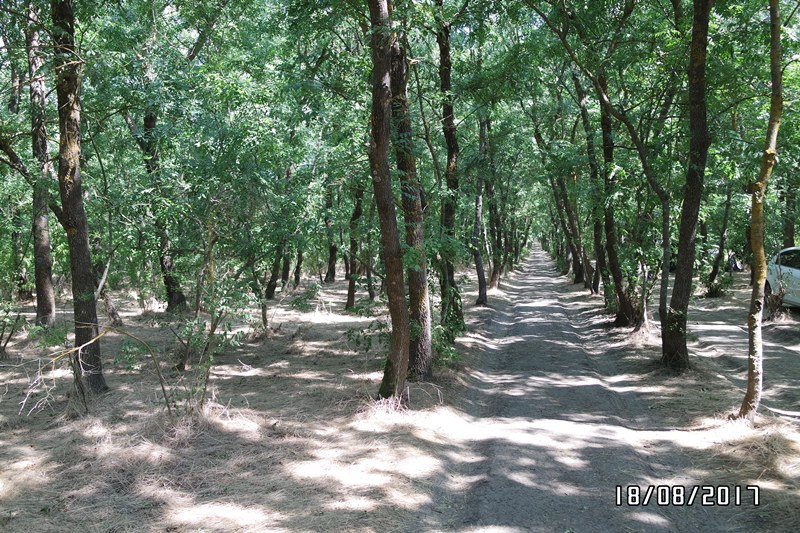
The dappled, interplay of sunlight and shadow created when sunbeams pass through and are scattered by the leaves of trees. It describes not just the light itself, but the dynamic, dancing quality of how that light moves and shifts across surfaces below.
Why this word exists
Japan's deep relationship with forests and nature—foundational to Shinto belief, aesthetic philosophy, and daily life—created fertile ground for precise light-and-nature terminology. In a densely forested island nation where people have historically moved through and worked among trees, the specific visual and emotional experience of dappled sunlight would be frequent and meaningful. The word reflects a broader Japanese aesthetic principle of finding beauty and significance in transient, subtle natural phenomena: the same cultural sensibility that produced haiku poetry and the tea ceremony's attention to shadow and impermanence.
Komorebi also embodies *mono no aware*—the pathos or gentle sadness in the beauty of fleeting moments. The dancing, ever-changing quality of filtered sunlight is intrinsically ephemeral; it cannot be held or photographed adequately. This alignment with Japanese values of impermanence and acceptance of transience made komorebi not merely a practical descriptor, but a culturally resonant one.
Origins
Komorebi is a compound of three kanji: 木 (ko, tree), 漏れ (more, leak or seep through), and 日 (bi, sun or day). The verb 漏れる (moreru) means to leak, drip, or escape—suggesting something passing through a barrier. The word likely emerged organically in Japanese spoken language rather than being formally coined, reflecting centuries of forest observation. Its structure is straightforward: sunlight that "leaks" through trees. While komorebi appears in contemporary Japanese literature and poetry, it gained international attention only in the early 2000s through online "untranslatable words" lists, making it a modern phenomenon of linguistic appreciation despite its likely ancient roots in spoken Japanese.
The children played in the komorebi beneath the old maple trees. — 子どもたちは古いカエデの木の下の木漏れ日で遊んでいた。
Komorebi gained sudden global popularity in 2017 when it appeared on lists of "beautiful untranslatable words," becoming a poster child for linguistic wonder on social media—ironic given that most Japanese speakers use it naturally without considering it exotic. Photography communities have since adopted the term internationally, particularly in forest and nature contexts.