Kefi
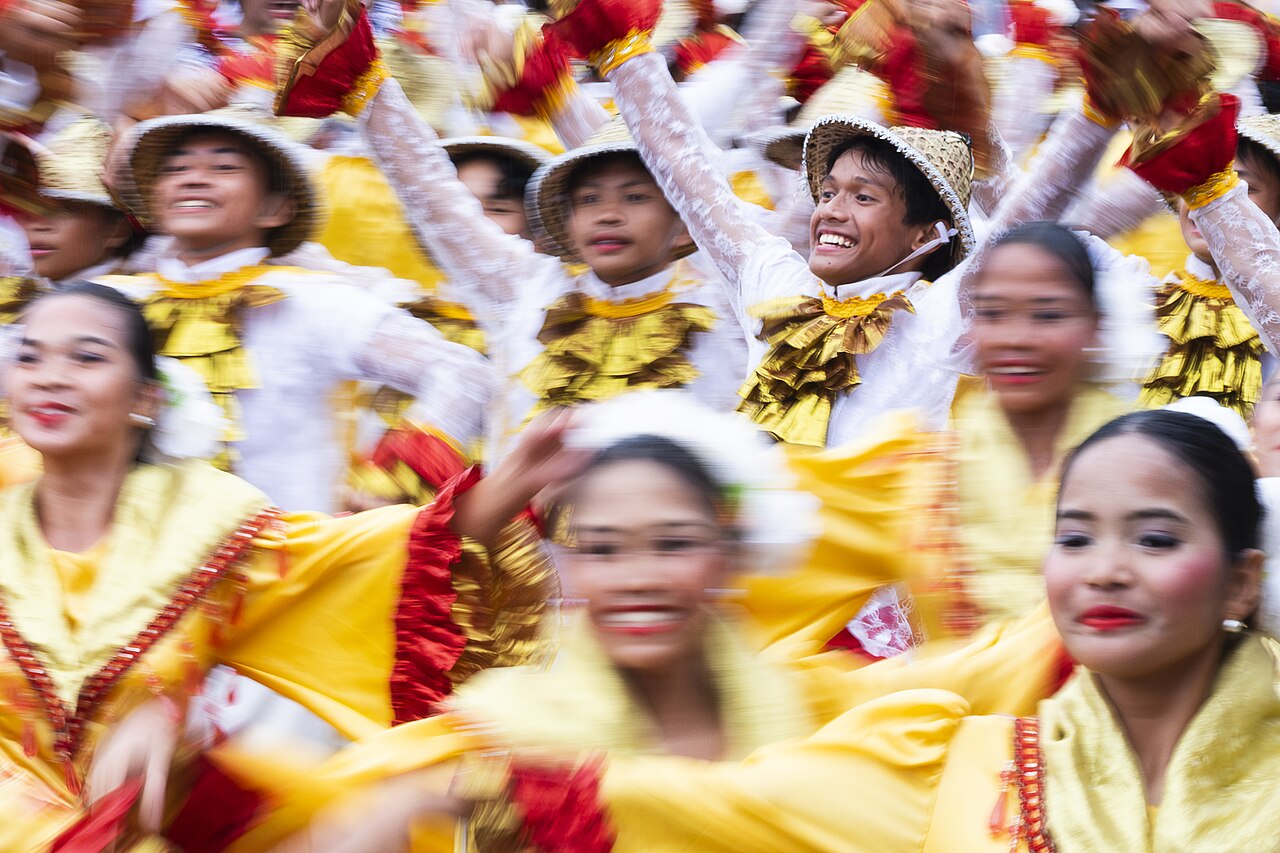
Kefi is a Greek concept describing a spontaneous, almost ecstatic state of joy, passion, and uninhibited celebration—often experienced during music, dance, or moments of collective euphoria. It's not mere happiness, but rather an elevated emotional and physical state where one surrenders to the moment with full intensity.
Why this word exists
Greece, with its long tradition of communal music, dance, and feast culture, developed kefi as a way to name something essential to its social life: the surrender to collective joy. In traditional Greek celebrations—panigýria (village festivals), weddings, and especially in the rebetiko music halls of urban centers—kefi represents the moment when individual inhibition dissolves and people move as one body animated by shared feeling.
Kefi is particularly associated with the bouzouki, the traditional stringed instrument, and with folk dances like the sirtaki and hasápiko. When a musician or dancer "has kefi," they are not simply performing well; they are in a state of inspired abandon, and this energy is contagious—it spreads through the room, lifting everyone present. It is almost spiritual, yet wholly physical and communal.
This concept reflects a Greek worldview that values intensity of feeling and the breaking down of social formality through music and movement. Kefi cannot be forced or manufactured; it arrives like grace. To invite someone into kefi is to invite them into a moment of collective transcendence—a deeply valued experience in a culture that has long used celebration as a form of resistance, survival, and meaning-making.
Origins
The origins of kefi are debated among linguists, with no single documented etymological source. Some scholars suggest connections to Turkish "keyif" (pleasure, comfort), reflecting centuries of Ottoman cultural exchange in the Eastern Mediterranean and Balkans—a region where Greek and Turkish shared considerable linguistic territory. Others propose it may derive from older Greek roots related to mood or disposition, though this remains speculative. What is clear is that kefi entered modern Greek as a robust cultural term by at least the 19th century, becoming especially prominent in discussions of rebetiko music and folk tradition. The word carries the mark of a society deeply shaped by multiple empires and the mingling of Greek, Ottoman, and Balkan influences.
The term appears in Greek literature and song from the 1800s onward, where it describes not a fleeting emotion but a recognizable, almost ritualized state that communities understood and valued.
When the bouzouki player began, kefi swept through the taverna, and even the oldest grandfather rose to dance. — Όταν άρχισε ο παίχτης του μπουζουκιού, το κέφι κατέλαβε την ταβέρνα, και ακόμη ο πιο ηλικιωμένος παππούς σηκώθηκε να χορέψει.
Kefi is so central to Greek identity that it appears in countless song lyrics, particularly in rebetiko and laïko music, where musicians sing about losing kefi or finding it again—treating it almost as a character that comes and goes. The concept has also influenced how Greeks understand artistic authenticity: a technically perfect performance without kefi is considered empty, while a flawed performance with genuine kefi is treasured.