Gezelligheid
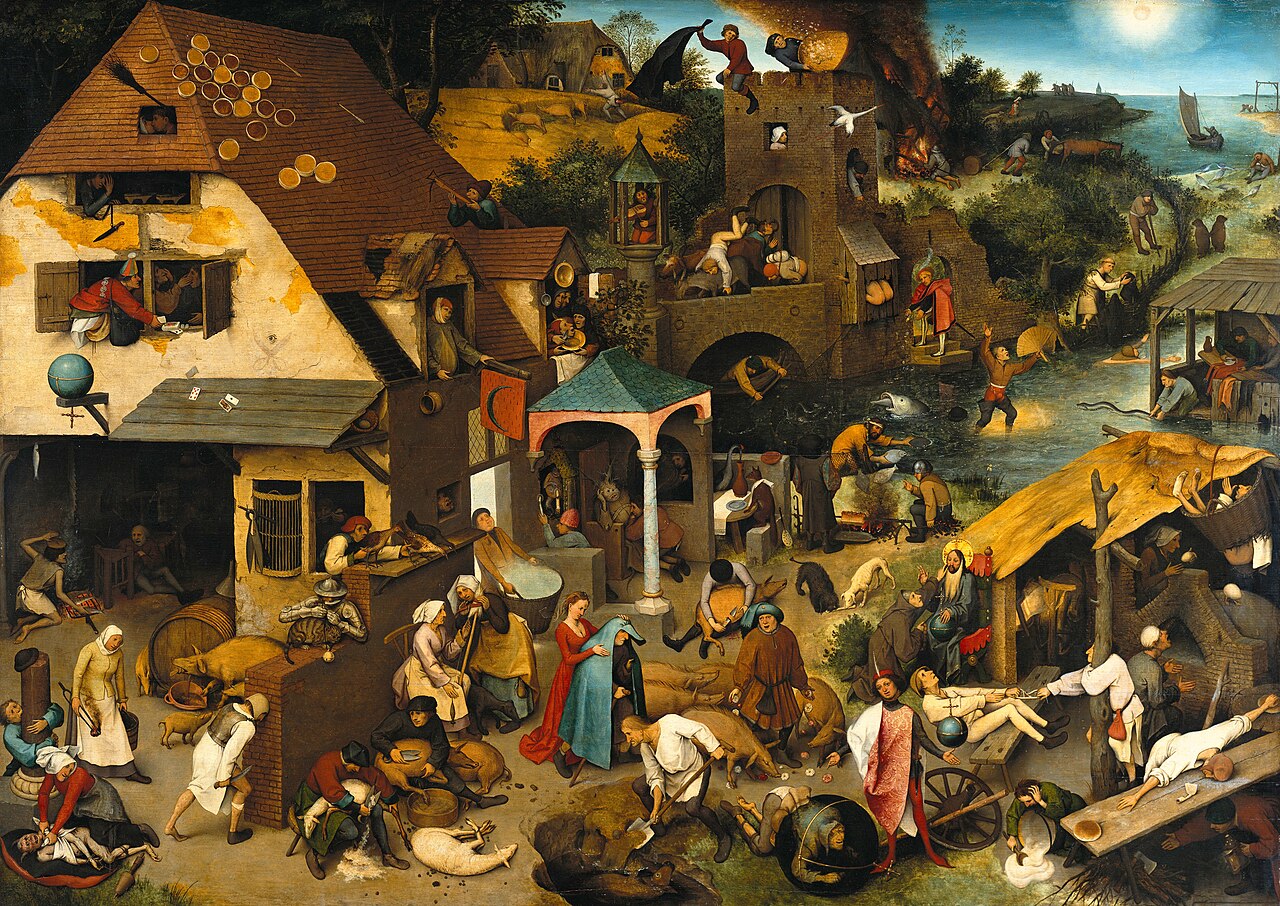
Gezelligheid describes a warm, convivial atmosphere characterized by coziness, good company, and a sense of belonging—often felt in intimate gatherings, candlelit rooms, or unhurried moments shared with friends. It's less about luxury or spectacle and more about the intangible comfort of being together in the right way.
Why this word exists
Gezelligheid emerges from the Dutch way of life—a culture that prizes informal togetherness, egalitarianism, and efficiency. In a densely populated, historically commercial nation, the ability to create sanctuary through simple shared moments became central to social identity. Dutch homes, often modest and compact, became places to cultivate gezelligheid through candlelight, tea, and unhurried conversation rather than ostentation.
The concept also reflects a particular approach to time and consumption. Rather than seeking elaborate entertainment or status displays, gezelligheid values presence and authenticity. A gezellig evening might cost nothing—it's about dimmed lights, comfortable silences, and the right people in the right frame of mind. This aligns with broader Dutch values of directness, practicality, and democratic comfort.
In contemporary Dutch culture, gezelligheid remains deeply embedded: people speak of making a room gezellig by adjusting lighting, of gezellig dinners as restorative counterpoints to busy weeks, and of gezelligheid as something you create together, not something you buy or perform. It's become almost a national character marker—the Dutch ability to find satisfaction in simplicity and human connection.
Origins
Gezelligheid is built from the adjective gezellig, which likely derives from the Middle Dutch gesel or gezel, meaning 'companion' or 'comrade.' The suffix -ig transforms it into an adjective (cozy, pleasant), and the abstract noun suffix -heid (equivalent to English -ness or -hood) turns the quality into a countable concept. The morphology reflects Dutch's systematic way of building abstract nouns from concrete social states: you start with the idea of companionship and arrive at the feeling it creates. The word gained prominence in Dutch literature and philosophy during the 19th century as industrialization made such moments feel increasingly precious and worth naming.
The restaurant had gezelligheid despite its humble wooden tables and flickering candles. — Het restaurant had gezelligheid ondanks zijn eenvoudige houten tafels en flakkerende kaarsen.
Gezelligheid is so central to Dutch identity that it appears constantly in real estate listings, restaurant reviews, and tourism marketing—yet Dutch speakers themselves admit it's nearly impossible to create on command. The moment you try to manufacture it, it evaporates. It must happen organically, which is perhaps why the Dutch language needed a word that captures not just coziness, but the almost magical alchemy of the right people, the right mood, and the right timing.