Friluftsliv
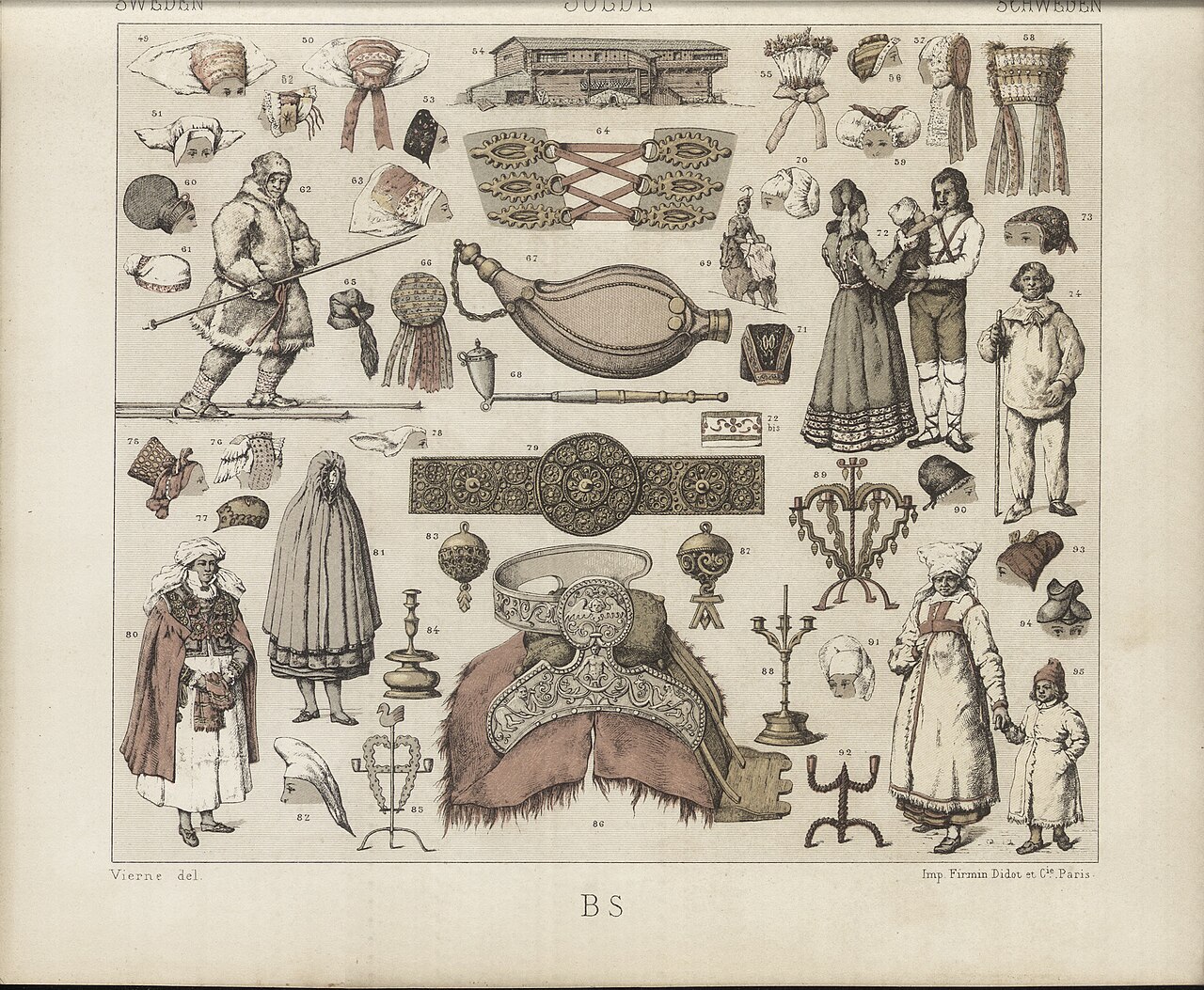
A philosophy and lifestyle centered on spending time outdoors in nature, embracing activities like hiking, camping, and skiing as essential to physical and mental wellbeing. It combines the joy of simple outdoor pursuits with a deep sense of connection to the landscape and the changing seasons.
Why this word exists
Friluftsliv emerged from Norway's particular geography and history. A nation of mountains, fjords, forests, and long winters, Norway's landscape demanded outdoor competence and made nature inescapable. The concept crystallized partly as a response to industrialization and urbanization in the late 1800s—a deliberate assertion that proximity to wilderness was essential, not optional.
Norwegian culture also developed around what is sometimes called "there is no bad weather, only bad clothing." This pragmatic embrace of harsh conditions, combined with a democratic tradition of *allemannsretten* (everyman's right—the legal freedom to walk and camp on uncultivated land regardless of ownership), wove outdoor life into the fabric of Norwegian identity. Friluftsliv became pedagogically central; schools organized outdoor expeditions, and parents saw nature exposure as character-building.
Today, friluftsliv remains a cornerstone of Norwegian self-understanding. It appears in policy documents, childhood education curricula, and family routines. The concept reflects a belief that nature is not a luxury or escape, but a foundational human need—one that the state has a responsibility to protect and enable for all citizens.
Origins
Friluftsliv is a compound of three Norwegian elements: *fri* (free), *luft* (air), and *liv* (life). The word emerged in the 19th century as Norway developed a Romantic nationalist consciousness and a cultural identity distinct from Danish rule. The composition reflects both literal meaning—outdoor, open-air existence—and philosophical weight, borrowing from broader European Romantic ideals about nature's restorative power. Norwegian writers and intellectuals of the period crystallized the concept into a single term that would come to define a cultural attitude. The word gained wider currency through literature, education, and outdoor movements in the early 20th century, eventually becoming embedded in Norwegian law and policy regarding public land access and outdoor rights.
The structure mirrors similar Scandinavian compound formations, though friluftsliv remains distinctly Norwegian in its cultural specificity and moral valence—it is not merely *being* outdoors, but a *life philosophy* built on that foundation.
Hun planlegger å ta friluftsliv på fjellene hver helg. — She plans to embrace friluftsliv in the mountains every weekend.
Norway's right of public access, *allemannsretten*, is so fundamental to friluftsliv that it is enshrined in the Constitution and allows anyone to camp, forage, and hike on private land as long as they stay out of sight and leave no trace. The concept has also influenced Nordic wellness and tourism industries; "friluftsliv tourism" now attracts visitors seeking authentic slow travel and nature immersion rather than conventional sightseeing.