Fernweh
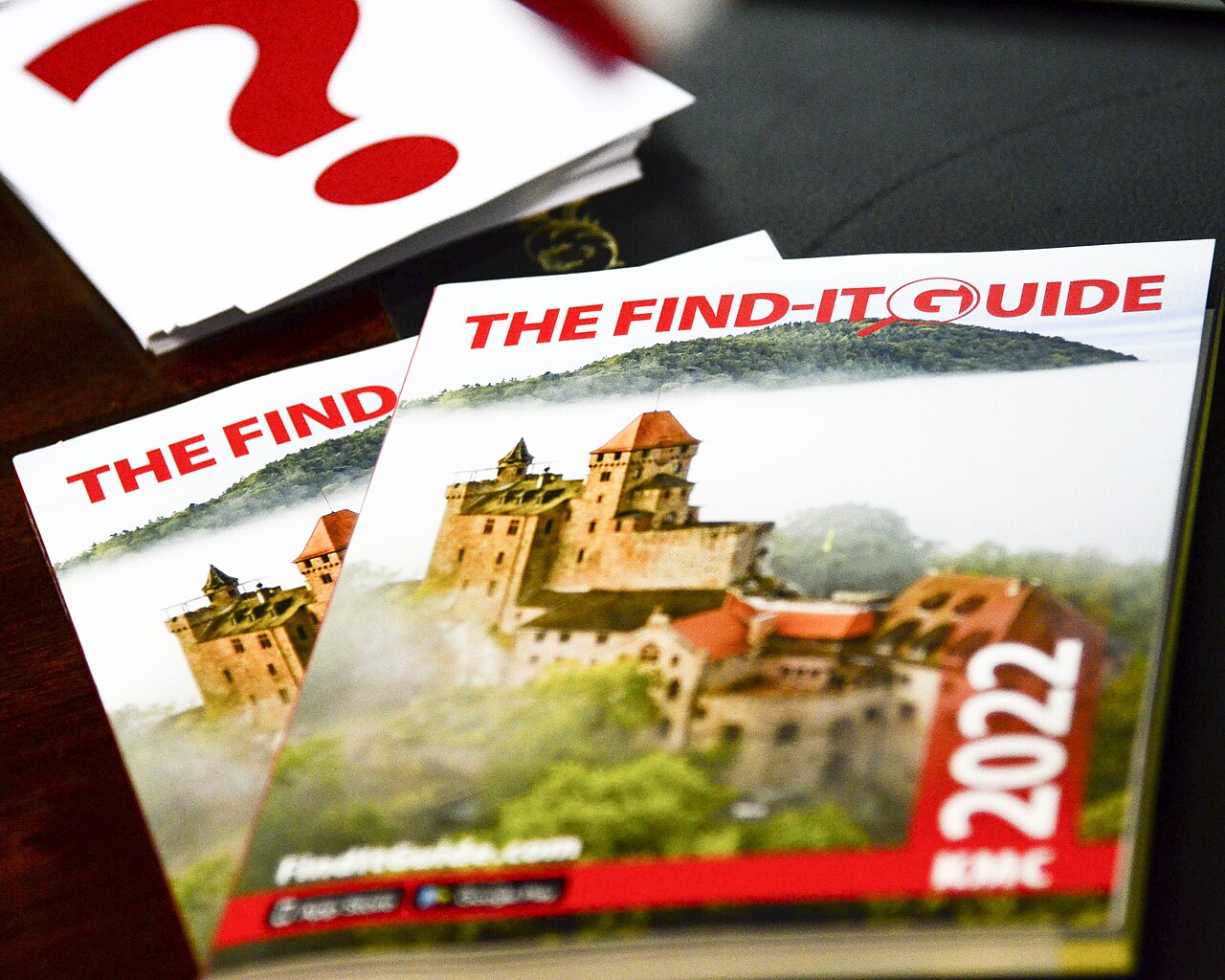
A deep, yearning ache to travel and explore distant places—a homesickness for somewhere you've never been. It's the pull toward the unknown, a restless craving for far-away landscapes and experiences.
Why this word exists
Germany's geography and history shaped Fernweh profoundly. As a central European nation historically fragmented into regions, kingdoms, and later states, Germans developed intense awareness of borders, distance, and what lay beyond them. The Romantic movement of the 18th–19th centuries celebrated the sublime power of wild, distant landscapes—mountains, forests, foreign lands—as spiritual destinations. This wasn't mere tourism; it was a philosophical stance toward beauty and self-discovery.
The German cultural tradition of *Wanderlust* and travel narratives, from Goethe's *Italian Journey* to countless *Wanderbuch* accounts, embedded the idea that journeying to distant places was essential to becoming fully human. Young Germans, particularly, were encouraged to wander and seek experience abroad—a practice formalized in apprenticeship and educational traditions. Fernweh captures this cultural value: the pain isn't weakness or dissatisfaction with home, but rather the noble ache of unfulfilled potential, of unexplored worlds calling.
In modern usage, Fernweh reflects a German comfort with acknowledging longing as legitimate—not as restlessness to escape, but as a positive hunger for growth and discovery. It suggests that distance itself holds transformative power.
Origins
Fernweh is a compound of two Old High German elements: 'fern' (far, distant) and 'weh' (pain, ache—cognate with English 'woe'). The structure mirrors the more common 'Heimweh' (homesickness), which pairs 'heim' (home) with the same 'weh'. Both words emerged in German over centuries as nouns expressing emotional states tied to place. 'Fern' traces back to Proto-Germanic *fernaz, while 'weh' derives from Proto-Indo-European roots meaning suffering or pain. The parallelism between Heimweh and Fernweh—home-sickness versus distance-sickness—reflects a linguistic symmetry that only works in German's compound-building tradition.
Unlike English's borrowed 'wanderlust' (from German itself, blending 'wandern' and 'lust'), Fernweh is native Germanic vocabulary, making it a distinctly German articulation of an emotional experience. The word gained broader cultural currency during the 19th and 20th centuries, particularly in Romantic and youth-movement literature.
Während ich im Büro saß, überkam mich ein starkes Fernweh nach den Bergen Patagoniens. — While I sat in the office, a powerful ache for distant places—specifically the mountains of Patagonia—overwhelmed me.
Fernweh has spawned its own subculture in German social media and travel blogging, where it's used not just poetically but as a self-identifier: people call themselves 'Fernweh-Menschen' (distance-ache people) to signal that wanderlust is central to their identity. Interestingly, the word has begun seeping into English usage among travel writers and backpackers, particularly in German-speaking travel communities, who find it more emotionally precise than 'wanderlust.'